


Eco-Friendly and Cost-Effective: The Green Side of Flat Pack Container Houses
In the realm of sustainable housing, flat pack container houses have emerged as a compelling solution, combining eco-friendliness with cost-effectiveness. These innovative dwellings, constructed from repurposed shipping containers, offer a myriad of benefits for environmentally-conscious individuals seeking affordable housing options. Let's delve into the green side of flat pack container houses and explore why they're gaining popularity worldwide.
Introduction to Flat Pack Container Houses
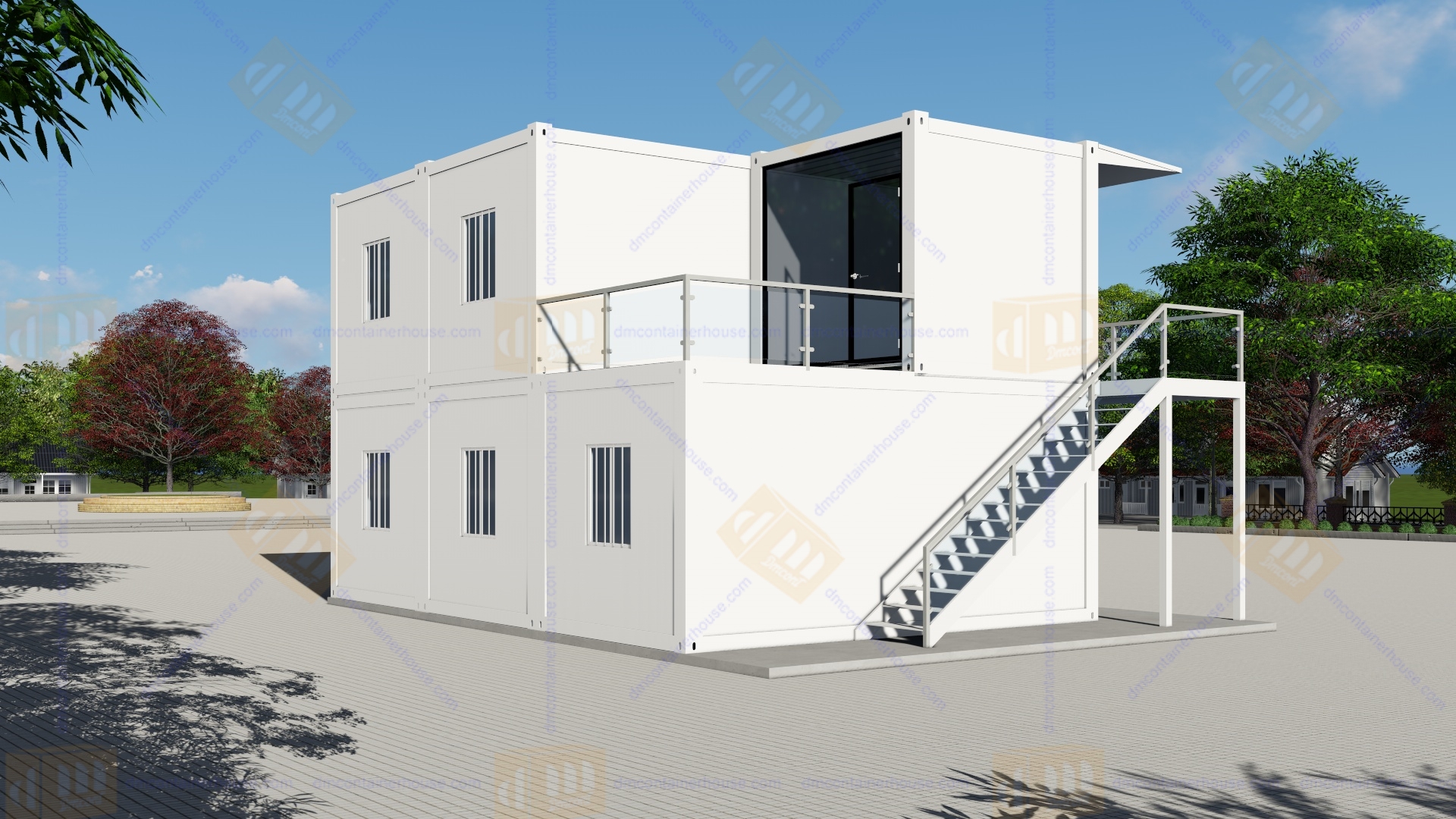
Flat pack container houses, also known as modular or prefabricated homes, are built using steel shipping containers that have been retired from maritime use. These containers are transformed into livable spaces through a process of customization and assembly. With the growing interest in sustainable architecture and minimalist living, flat pack container houses have garnered significant attention in recent years.
Eco-Friendly Features
One of the most compelling aspects of flat pack container houses is their eco-friendliness. By repurposing shipping containers that would otherwise end up in landfills, these homes contribute to waste reduction and resource conservation. Additionally, many manufacturers prioritize the use of sustainable materials in the construction process, further minimizing their environmental footprint.
Cost-Effectiveness
In addition to being environmentally friendly, flat pack container houses offer significant cost advantages compared to traditional housing options. The use of recycled materials reduces construction costs, making these homes more affordable for budget-conscious individuals. Moreover, the modular nature of container homes facilitates rapid assembly, resulting in lower labor expenses and overall construction time.
Customization Options
Despite their humble origins, flat pack container houses offer a surprising degree of customization. Homeowners can choose from a variety of floor plans, layouts, and finishes to create a living space that meets their unique needs and preferences. From cozy studio apartments to spacious family homes, the versatility of container construction allows for endless design possibilities.
Durability and Longevity
Contrary to common misconceptions, flat pack container houses are incredibly durable and built to last. Constructed from rugged steel, these homes are resistant to corrosion, fire, and extreme weather conditions. With proper maintenance, a container house can withstand decades of use, offering long-term peace of mind for homeowners.
Transportability and Mobility
One of the key advantages of flat pack container houses is their portability. Unlike traditional homes, which are rooted to a single location, container houses can be easily transported and relocated as needed. This makes them ideal for temporary or remote living situations, such as disaster relief efforts or off-grid retreats.
Space Efficiency
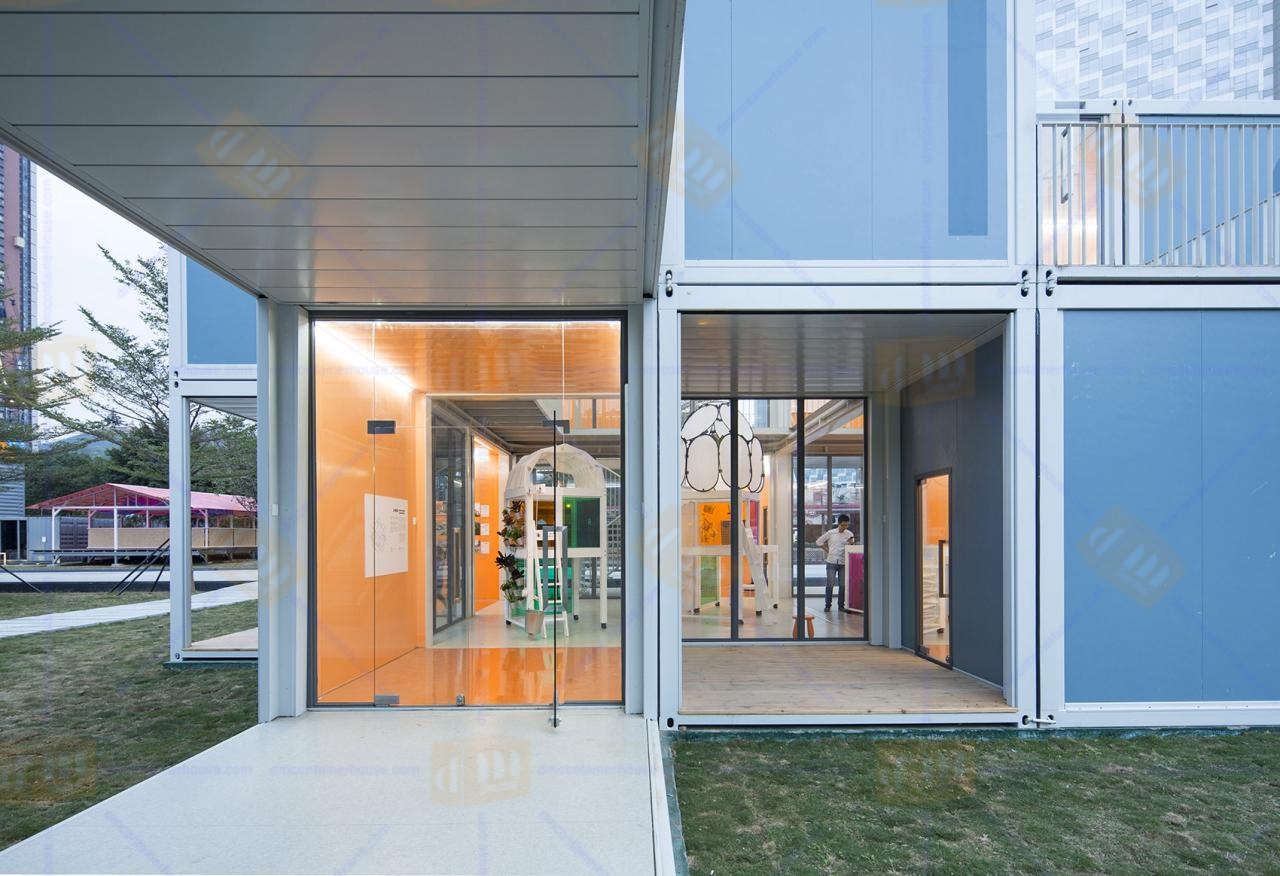
Despite their compact footprint, flat pack container houses excel in maximizing living space. Clever design features, such as multi-functional furniture and built-in storage solutions, help homeowners make the most of every square foot. Whether it's maximizing natural light or optimizing airflow, container homes prioritize efficiency without sacrificing comfort.
Community and Social Impact
Beyond their individual benefits, flat pack container houses have the potential to address larger societal issues, such as housing shortages and homelessness. By offering an affordable and sustainable housing solution, these homes empower individuals and communities to achieve greater stability and self-sufficiency. Furthermore, the adoption of container construction promotes a culture of environmental responsibility and conscious consumption.
Regulatory Considerations
While the appeal of flat pack container houses is undeniable, navigating the regulatory landscape can pose challenges for prospective homeowners. Building codes, zoning regulations, and permit requirements vary by location and may impose limitations on container construction. It's essential for individuals to research and comply with local regulations to ensure a smooth and legal building process.
Maintenance and Upkeep
Maintaining a flat pack container house is relatively straightforward, thanks to its durable construction and low-maintenance materials. Routine inspections and occasional touch-ups can help prevent corrosion and extend the lifespan of the home. Additionally, incorporating eco-friendly practices, such as rainwater harvesting and solar power, can further reduce operational costs and environmental impact.
Case Studies and Success Stories
This unique container leisure space is located in the HACIENDA high-end resort. HACIENDA is located on the northern coast of Egypt, about 150 kilometers away from Alexandria. It is backed by the desert, facing the sea, and enjoying the painting-like scenery.
The double-storey container holiday home located by the sea shows a typical Mediterranean style, using bright orange and white tones. Its exterior design cleverly combines the modernity of containers with the characteristics of traditional Mediterranean architecture.
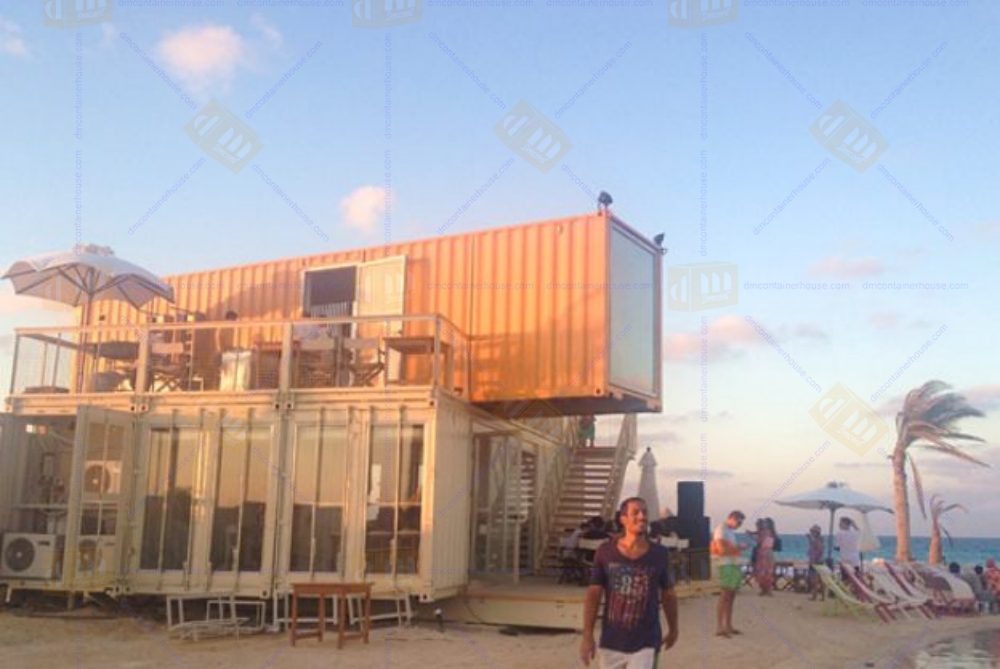
In terms of layout, the internal space of the holiday home is effectively used, and the living room and kitchen are designed to be open, which enhances the connectivity and openness of the space and also facilitates the residents' social and leisure activities while enjoying their vacation.
Challenges and Limitations
Despite their many benefits, flat pack container houses are not without challenges. Limited space, insulation concerns, and aesthetic preferences may pose obstacles for some individuals. However, with careful planning and creative problem-solving, many of these challenges can be overcome, allowing homeowners to fully enjoy the benefits of container living.
Future Prospects
As awareness of environmental issues continues to grow, the demand for sustainable housing solutions is expected to increase. Flat pack container houses are well-positioned to meet this demand, offering an affordable, eco-friendly alternative to traditional homes. With ongoing innovations in design, construction techniques, and renewable energy integration, the future looks bright for container living.
Conclusion
Flat pack container houses represent a compelling fusion of eco-friendliness and affordability, making them an attractive option for environmentally-conscious individuals seeking cost-effective housing solutions. From their sustainable origins to their customizable designs and long-term durability, container homes offer a host of benefits for homeowners and communities alike. By embracing container living, individuals can reduce their environmental footprint while enjoying a comfortable and sustainable lifestyle.
FAQs
1.Are flat pack container houses suitable for permanent living?
Yes, many people choose to live in container houses as their primary residences due to their durability and affordability.
2.Can container homes be customized to fit specific design preferences?
Absolutely! Container houses offer a wide range of customization options, allowing homeowners to create spaces that reflect their unique tastes and lifestyles.
3.Are flat pack container houses energy-efficient?
With proper insulation and the integration of energy-saving technologies, container homes can be highly energy-efficient, resulting in lower utility bills.
4.What are the main challenges associated with container living?
Common challenges include insulation, zoning regulations, and limited space. However, these challenges can often be addressed with careful planning and creative solutions.
5.Are flat pack container houses suitable for all climates?
While container homes can be adapted to different climates, proper insulation and climate control measures are essential for ensuring comfort and energy efficiency.
Your message-英文2024-12-24
Name*
Country*
Email*
Telephone*
For Personal Use/ Project (Click to Choose)
- Project
- Personal
Your Message*
Verification code


