


6 Steps to Building a Container Home
Introduction
Have you ever thought about building your own home but felt overwhelmed by the costs and complexities of traditional construction? Enter container homes—a sustainable, affordable, and stylish alternative that's been gaining popularity worldwide. But why choose a container home? Well, let’s dive into the six steps to building your dream container home and find out!
Step 1: Planning Your Container Home
Define Your Needs and Budget
The first step in any construction project is to have a clear plan. What do you want out of your container home? How many rooms? What kind of amenities? And, most importantly, what's your budget? Setting these parameters early will guide all your decisions moving forward.
Research Local Building Codes and Permits
Before you start designing, it’s crucial to understand local building codes and regulations. These rules can vary greatly depending on where you live, so contact your local municipality to ensure you're compliant from the get-go.

Step 2: Designing Your Container Home
Working with an Architect or Designer
While it's possible to design your container home yourself, working with an architect or designer who has experience with container structures can be incredibly beneficial. They can help you maximize space, ensure structural integrity, and add those special touches that make a house a home.
Layout and Space Utilization
One of the challenges of container homes is making the most of limited space. Think vertically as well as horizontally, and consider multi-functional furniture to enhance your living area.
Sustainability Considerations
A big draw of container homes is their eco-friendliness. When designing, think about incorporating sustainable materials and systems like solar panels, rainwater harvesting, and energy-efficient appliances.
Step 3: Purchasing Shipping Containers
Finding Reliable Suppliers
Not all shipping containers are created equal. Look for suppliers who offer high-quality containers and provide guarantees or warranties. It’s also worth visiting suppliers in person to inspect the containers before buying.
Inspecting the Containers for Quality
Check for rust, dents, and any structural issues. Remember, these containers have likely been exposed to harsh conditions, so thorough inspection is key to ensuring you start with a solid foundation.
Step 4: Preparing the Site
Site Selection and Preparation
Choosing the right location for your container home is crucial. Ensure the site is accessible and has the necessary utilities like water, electricity, and sewage systems. Once selected, clear the area and prepare the ground for construction.
Foundation Options for Container Homes
Depending on your location and the soil type, you might choose a concrete slab, pier, or even a pile foundation. Each has its pros and cons, so consult with a structural engineer to determine the best option for your site.
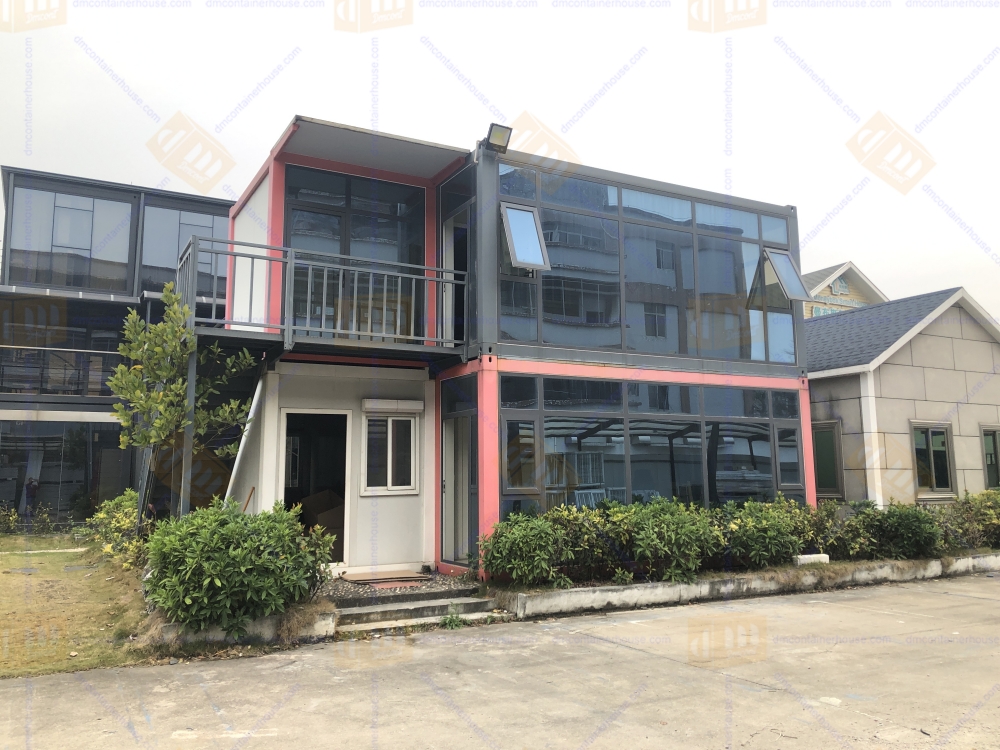
Step 5: Modifying and Assembling the Containers
Cutting and Reinforcing the Containers
This is where the transformation begins! Cutting windows, doors, and any other openings must be done carefully to maintain structural integrity. Reinforcements, like steel beams, may be needed to ensure the containers can support the additional weight.
Installing Windows, Doors, and Insulation
Once the containers are modified, install high-quality windows and doors to improve energy efficiency and comfort. Insulation is critical, as containers can become very hot or cold depending on the weather. Spray foam, fiberglass, or even eco-friendly options like sheep's wool can be used.
Step 6: Interior and Exterior Finishing
Plumbing, Electrical, and HVAC Systems
With the basic structure in place, it’s time to bring in the pros for plumbing, electrical, and HVAC systems. Ensure all installations meet local building codes and standards for safety and efficiency.
Interior Design and Decoration
Now the fun part—interior design! Whether you prefer a minimalist style or a cozy, eclectic vibe, let your personality shine through. Use space-saving furniture and smart storage solutions to make the most of the compact space.
Exterior Cladding and Landscaping
Finally, consider the exterior appearance of your container home. Cladding options like wood, metal, or even brick can enhance the aesthetic and provide additional insulation. Don’t forget landscaping—plants, pathways, and outdoor seating areas can transform your container house into a welcoming home.
Conclusion
Building a container home is a unique journey that offers a blend of creativity, sustainability, and affordability. While the process requires careful planning and execution, the end result is a stylish, functional home that stands out from the crowd. Embrace the challenge and enjoy the process—your dream container home awaits!
FAQs
1.Are Container Homes Safe?
Yes, container homes can be very safe if built correctly. They are designed to withstand harsh conditions, and with proper modifications, they can be as secure as traditional homes.
2.How Long Do Container Homes Last?
With proper maintenance, container homes can last for several decades. Regular inspections and upkeep, especially for rust and structural integrity, will extend their lifespan.
3.Can Container Homes Be Customized?
Absolutely! Container homes are highly customizable. You can design the layout, choose materials, and add features just like any traditional home.
4.Are Container Homes Environmentally Friendly?
Yes, using shipping containers reduces waste and repurposes existing materials. Additionally, you can incorporate various eco-friendly systems and materials to enhance their sustainability.
5.How Much Does It Cost to Build a Container Home?
Costs can vary widely depending on size, design, and location, but generally, container homes are more affordable than traditional homes. A small, basic container home can start around $10,000, while more elaborate designs can cost over $100,000.
Your message-英文2024-12-24
Name*
Country*
Email*
Telephone*
For Personal Use/ Project (Click to Choose)
- Project
- Personal
Your Message*
Verification code


