


Exploring Mobile Architecture: 7 Travel-Friendly Homes
Introduction
In a world where mobility and adaptability are becoming increasingly essential, the concept of mobile architecture has gained significant attention. These innovative structures combine functionality, sustainability, and aesthetics, making them ideal for those who are always on the move or seeking alternative living solutions. In this article, we will delve into the fascinating realm of mobile architecture and explore seven travel-friendly homes that redefine the way we think about living spaces.
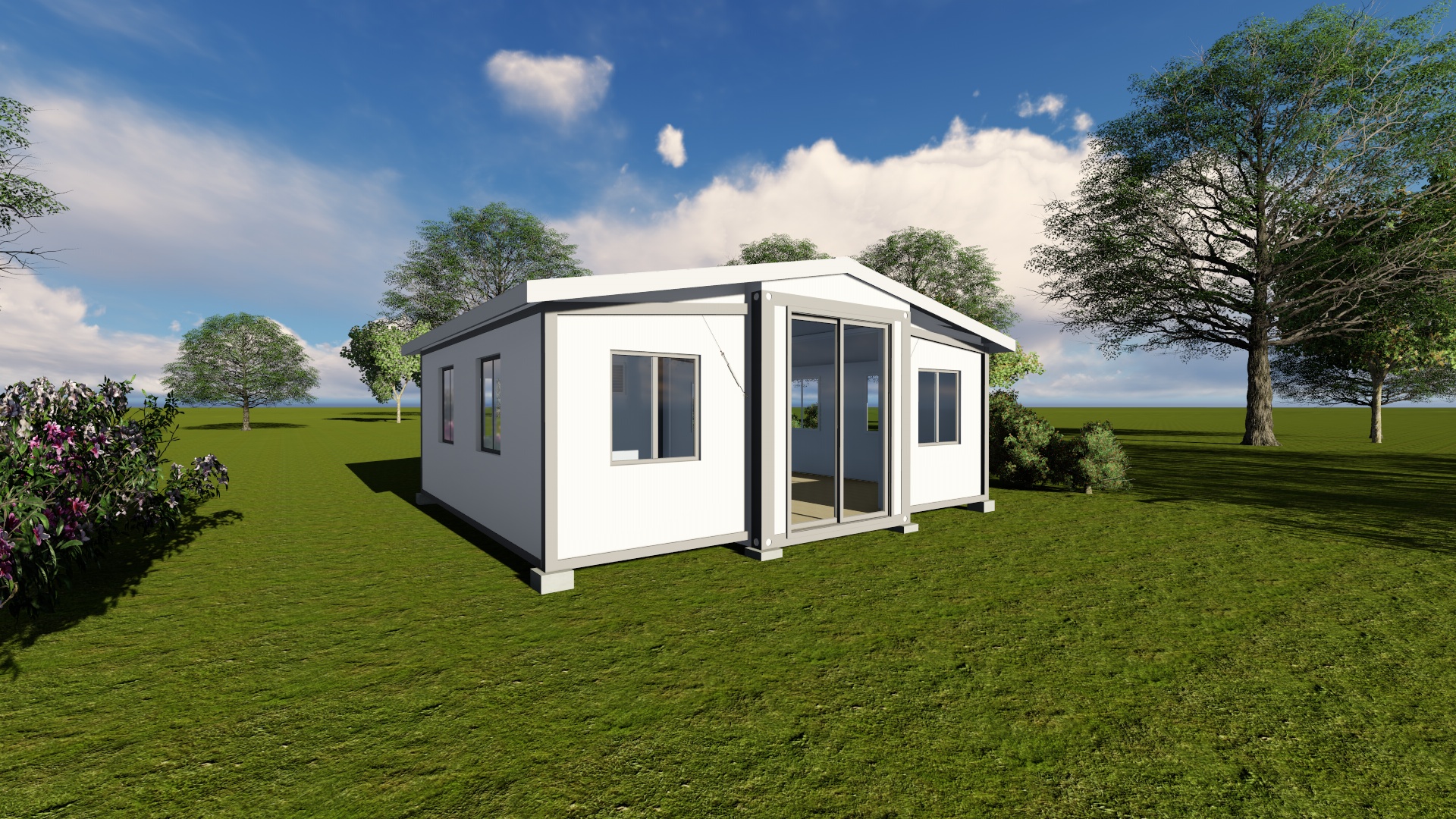
The Rise of Mobile Architecture
1. A New Perspective on Home
Mobile architecture challenges the traditional notion of a static home. It introduces the idea that "home" can be wherever you want it to be. This flexible approach to housing is particularly appealing to those who seek to explore and experience different places without the constraints of a fixed location.
This shift in perspective promotes a lifestyle focused on experiences rather than possessions. It encourages individuals to adapt to changing circumstances, allowing them to pursue new opportunities and adventures while maintaining the comforts of home. In essence, mobile architecture reshapes the way we think about and interact with our living spaces.
2. Sustainability on Wheels
One of the most remarkable aspects of mobile architecture is its inherent sustainability. These structures are often designed with a strong commitment to eco-friendliness. Here's how:
Energy Efficiency: Mobile homes are typically smaller and more energy-efficient than traditional houses. They are equipped with modern, sustainable technologies such as solar panels and energy-efficient appliances.
Reduced Environmental Impact: The materials used in mobile architecture are often eco-friendly, and the construction process generates less waste. In addition, the ability to move your home as needed reduces the need for new construction and its associated environmental impact.
Resource Efficiency: Mobile homes are designed to maximize space and functionality, minimizing the need for excessive resources. This resource-conscious approach aligns with the growing demand for sustainable living.
Minimal Land Footprint: Mobile homes require less land and, in many cases, are designed to leave a smaller ecological footprint. This is particularly relevant as land resources become scarcer and more valuable.
The Versatility of Travel-Friendly Homes
1. Off-Grid Container Retreats: Nature's Getaway
For those who crave solitude and an escape from the bustling world, off-grid container retreats offer the perfect solution. Nestled in the heart of nature, these compact and eco-friendly homes allow you to disconnect and rejuvenate.
2. Shipping Container Hotels: Luxurious Stays on the Go
When wanderlust meets luxury, shipping container hotels are the answer. Designed to provide guests with an extraordinary experience, these boutique accommodations have made their way to exotic destinations, offering an exceptional stay on the go.
3. Tiny Homes: Cozy and Compact
Tiny homes have become a symbol of mobile architecture. These compact dwellings pack all the essentials into a small space, making them perfect for minimalist living or as a vacation retreat.
4. Houseboats: A Waterborne Adventure
Houseboats are a unique category of mobile homes that float on water. They offer a tranquil and scenic way of living, allowing homeowners to change their surroundings whenever they desire.
5. RVs: The Nomadic Dream
Recreational vehicles (RVs) have evolved from simple campers to luxurious homes on wheels. They provide the ultimate freedom to explore the world while enjoying the comforts of home.
6. Modular Homes: Quick and Customizable
Modular homes are constructed in sections and can be easily transported to different locations. Their flexibility and customizability make them a popular choice among those looking for a versatile living space.
7. Treehouses: Elevated Living
While not your traditional mobile home, treehouses offer a unique and adventurous way of living. Nestled among the treetops, these homes provide a connection with nature like no other.
Advantages of Mobile Architecture
1. Mobility and Freedom
The ability to move one's home with relative ease is one of the primary advantages of mobile architecture. It provides a sense of freedom and flexibility that traditional homeowners often lack. Whether it's a change of scenery or the pursuit of new opportunities, mobile architecture allows individuals to carry their living space with them, opening up a world of possibilities.
2. Cost-Effective Living
Mobile homes are often more affordable than traditional housing. The reduced size and efficient design result in lower construction and maintenance costs. Additionally, mobile homes often require less energy to heat and cool, contributing to long-term cost savings. This financial advantage makes mobile architecture an appealing option for those looking to reduce their cost of living.
3. Minimal Environmental Impact
Mobile architecture is inherently eco-friendly. The smaller size of these homes means less energy consumption and reduced environmental impact. Furthermore, many mobile homes incorporate sustainable features like energy-efficient appliances and renewable energy sources such as solar panels. This eco-conscious approach aligns with the growing global emphasis on reducing our carbon footprint and embracing more sustainable living.
Challenges and Considerations
1. Legal and Zoning Issues
Navigating the legalities of living in a mobile home can be complex, as regulations vary from one location to another. It's crucial to research and understand the zoning laws in your chosen area.
2. Limited Space
While mobile homes are designed to maximize space utilization, they may still feel cramped to some. Effective organization and minimalistic living are essential for a comfortable experience.
3. Maintenance and Repairs
Mobile homes require regular maintenance, just like traditional houses. Ensuring that your home is in good condition is vital for a hassle-free mobile lifestyle.
Conclusion
Mobile architecture has transformed the way we think about living spaces. From tiny homes to houseboats and treehouses, these travel-friendly homes offer a unique blend of mobility, sustainability, and style. While they come with their challenges, the freedom and versatility they provide make them an appealing choice for adventurous individuals seeking an alternative way of life.
FAQs
1. Are mobile homes a cost-effective housing option?
Mobile homes are often more cost-effective than traditional homes, with lower maintenance and utility costs.
2. Can I legally live in a mobile home anywhere?
Legalities regarding mobile homes vary by location, so it's essential to research zoning laws in your chosen area.
3. Are mobile homes environmentally friendly?
Many mobile homes focus on sustainability and energy efficiency, contributing to a greener planet.
4. How do I maintain a mobile home?
Mobile homes require regular maintenance and repairs, similar to traditional houses.
5. Are there any unique challenges to living in a tiny home?
Limited space and effective organization can pose challenges, but many find the minimalist lifestyle rewarding.
Your message-英文2024-12-24
Name*
Country*
Email*
Telephone*
For Personal Use/ Project (Click to Choose)
- Project
- Personal
Your Message*
Verification code


