


Fast, Affordable And Fashionable: Revealing The Latest Trend In Modular House
Introduction:
In an era where house demands are soaring, the search for rapid, cost-effective, and stylish house solutions has reached a paramount level. An innovative approach that has gained substantial traction in recent times is modular house. By amalgamating cutting-edge technology, sustainability, and design flexibility, modular homes have revolutionized our perception of contemporary living.
The Emergence of Modular House:
1.Historical Origins:
The roots of modular house trace back to the early 20th century when prefabricated structures were initially introduced to counter house shortages. Over the years, advancements in construction techniques and materials led to the evolution of present-day modular homes.
2.Advantages of Modular Homes:
Modular homes present multiple benefits over conventional construction methods. These homes are crafted in controlled environments, ensuring precision and quality. Moreover, they can be constructed swiftly and assembled on-site within a matter of weeks.
3.Eco-Friendly Features:
Modular house is also synonymous with its environmentally conscious attributes. The construction process yields minimal waste, while the use of sustainable materials contributes to a reduced carbon footprint.
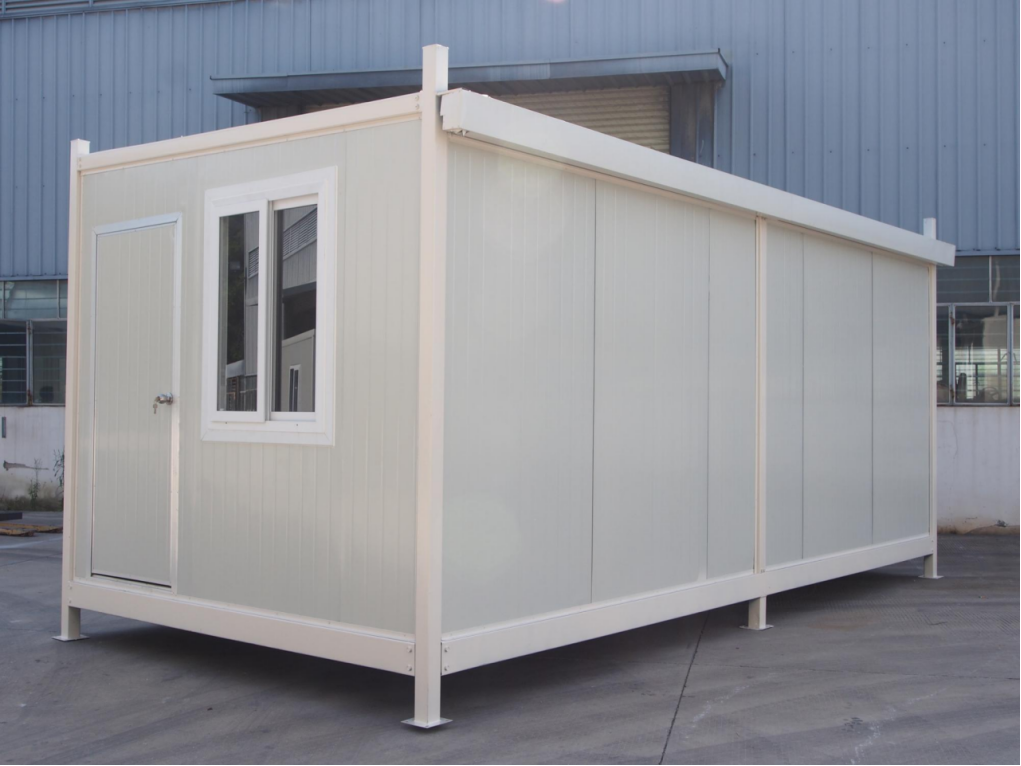
Efficient Construction Techniques
1.The Pre-Fabrication Process:
The cornerstone of the rapidity in modular house lies in the pre-fabrication process. Components of these homes are fabricated in factories, impervious to weather conditions and external factors that might affect the construction timeline.
2.Streamlined Assembly Methods:
After the modules are prepared, they are transported to the construction site for assembly. This assembly process is incredibly efficient, causing minimal disruption to the surrounding environment.
3.Time-Saving Benefits:
The accelerated construction of modular homes yields substantial advantages for both homeowners and builders. Decreased construction time translates to quicker occupancy, a particularly vital facet in emergency situations or house crises.
Cost-Effectiveness and Affordability
1.Reduced Labor Costs:
Modular construction necessitates less on-site labor when juxtaposed with traditional building methods. This reduction in labor expenses translates to cost savings for homeowners.
2.Efficient Resource Allocation:
The controlled manufacturing process of modular homes curbs material waste, further contributing to cost-effectiveness. Moreover, bulk procurement of materials translates to reduced costs for builders and buyers alike.
3.Economic Implications:
The affordability of modular house has far-reaching economic implications. It democratizes homeownership, enabling more individuals and families to realize their dream of owning a home, thereby boosting overall house market activity.
Design Flexibility
1.Customization Possibilities:
In contrast to common misconceptions, modular homes offer a remarkable degree of customization. Homeowners can choose from a plethora of designs, layouts, and finishes to match their preferences and requirements.
2.Aesthetic Diversity:
Modern modular homes are not confined to a specific architectural style. Whether it's contemporary, traditional, or a fusion of both, modular house can seamlessly accommodate diverse aesthetics.
3.Future-Proof Expansion:
Modular homes are crafted with future expansion in mind. Homeowners can effortlessly incorporate additional modules to adapt to evolving needs, rendering it a versatile and forward-looking house solution.
Sustainability and Environmentally Friendly Attributes
1.Energy Efficiency:
Modular homes prioritize energy efficiency in their design. They often feature insulation and energy-saving components, resulting in reduced utility costs and a diminished environmental footprint.
2.Use of Sustainable Materials:
Sustainable materials constitute a pivotal aspect of modular house. From recycled materials to eco-friendly alternatives, the emphasis lies in minimizing ecological impact.
3.Minimization of Waste:
The manufacturing process of modular homes generates less waste in comparison to traditional construction, aligning with eco-conscious practices.
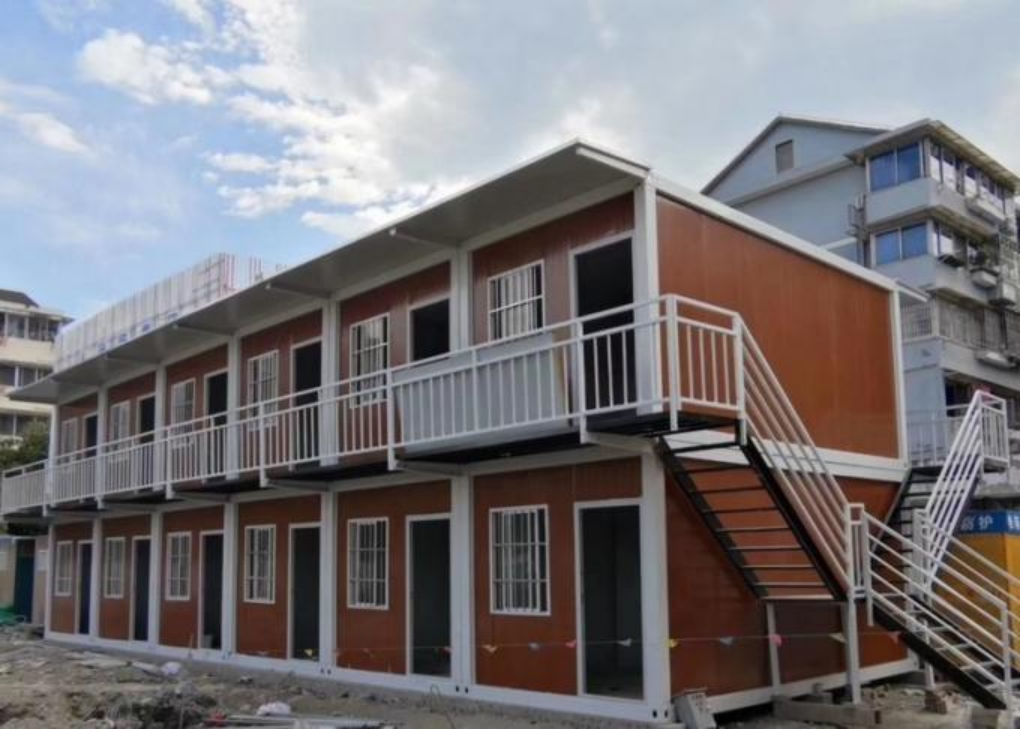
Integration of Technology:
1.Smart Home Features:
Modular house transcends mere physical structures; it embraces technology as well. Smart home features and automation systems can be seamlessly integrated into modular homes, enhancing convenience and efficiency.
2.Home Automation Systems:
Automated lighting, temperature control, and security systems are gaining traction in modular house, enhancing the overall living experience.
3.Green Energy Solutions:
Numerous modular homes are engineered to accommodate renewable energy sources, such as solar panels and geothermal systems, thereby reducing reliance on conventional energy sources.
Modular House for Urban Environments
1.Optimal Space Utilization:
In densely populated urban settings, space is a valuable commodity. Modular house provides innovative solutions for space optimization, making the most of limited square footage.
2.Addressing House Shortages:
Rapid urbanization has resulted in house shortages in many cities. Modular house emerges as a viable solution to bridge this gap and provide comfortable living spaces.
3.Modern Urban Living:
With their contemporary designs and sustainable attributes, modular homes offer an enticing alternative to traditional urban living, advocating a modern and environmentally friendly lifestyle.
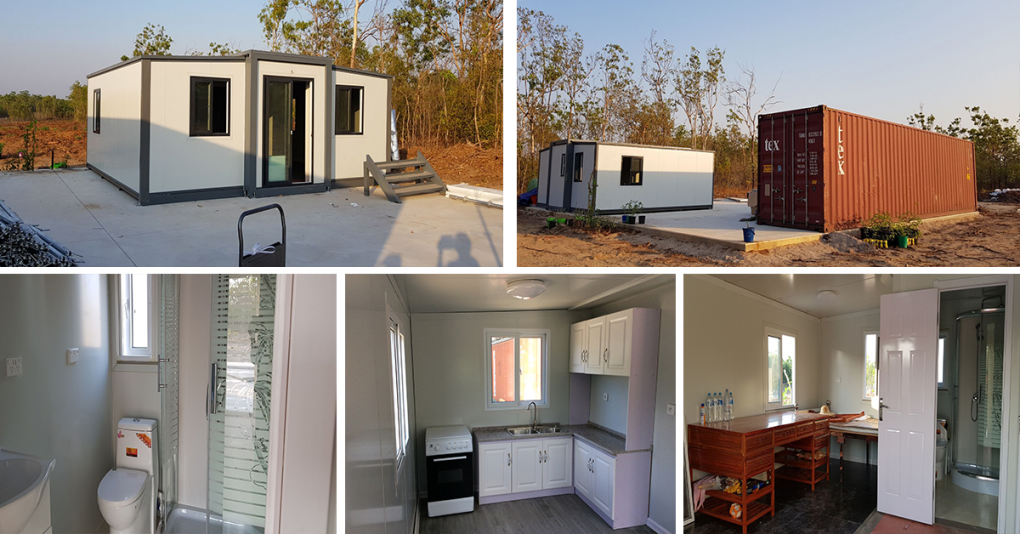
Stringent Quality and Safety Standards
1.Regulatory Compliance:
Modular house adheres to rigorous building codes and regulations, ensuring the safety and well-being of homeowners.
2.Thorough Inspection and Certification:
Modular homes undergo rigorous inspections to meet industry benchmarks and attain necessary certifications.
3.Enhancing Homeowner Satisfaction:
The emphasis on quality and safety in modular house aims to provide homeowners with peace of mind and a positive living experience.
Financing Options and Incentives
1.Availability of Mortgages:
Financing options for modular homes are readily accessible through diverse lending institutions, making homeownership attainable for a broader demographic.
2.Governmental Support:
Many governments acknowledge the advantages of modular house and offer incentives, grants, or tax credits to foster its adoption.
3.Tax Advantages:
Owners of modular properties may be eligible for certain tax benefits, further heightening the overall affordability of such homes.
Dispelling Common Misconceptions
1.Durability and Longevity:
Contrary to myths, modular homes are designed to be as durable and long-lasting as their traditionally constructed counterparts.
2.Resale Value:
Modular homes retain their value well and boast competitive resale value vis-à-vis conventionally built homes.
3.Aesthetic Concerns:
With an array of customization options available, aesthetics are not compromised in modular house.
Prominent Modular House Companies
1.Industry Leaders:
Numerous companies have emerged as trailblazers in the modular house sector, setting new benchmarks for quality and innovation.
2.Customer Testimonials:
Customer reviews offer valuable insights into the experiences of those who have already embraced modular living.
3.Comparative Analysis:
Comparing different modular house companies aids prospective homeowners in making informed decisions based on their unique needs.
Illustrative Case Studies of Successful Modular House Projects
1.Residential Communities:
Communities exclusively composed of modular homes underscore the potential for sustainable and efficient living.
2.Commercial Applications:
Modular construction transcends residential usage, extending to various commercial applications.
3.Positive Community Impact:
Modular house projects can positively impact surrounding communities by addressing house needs and advocating eco-friendly practices.
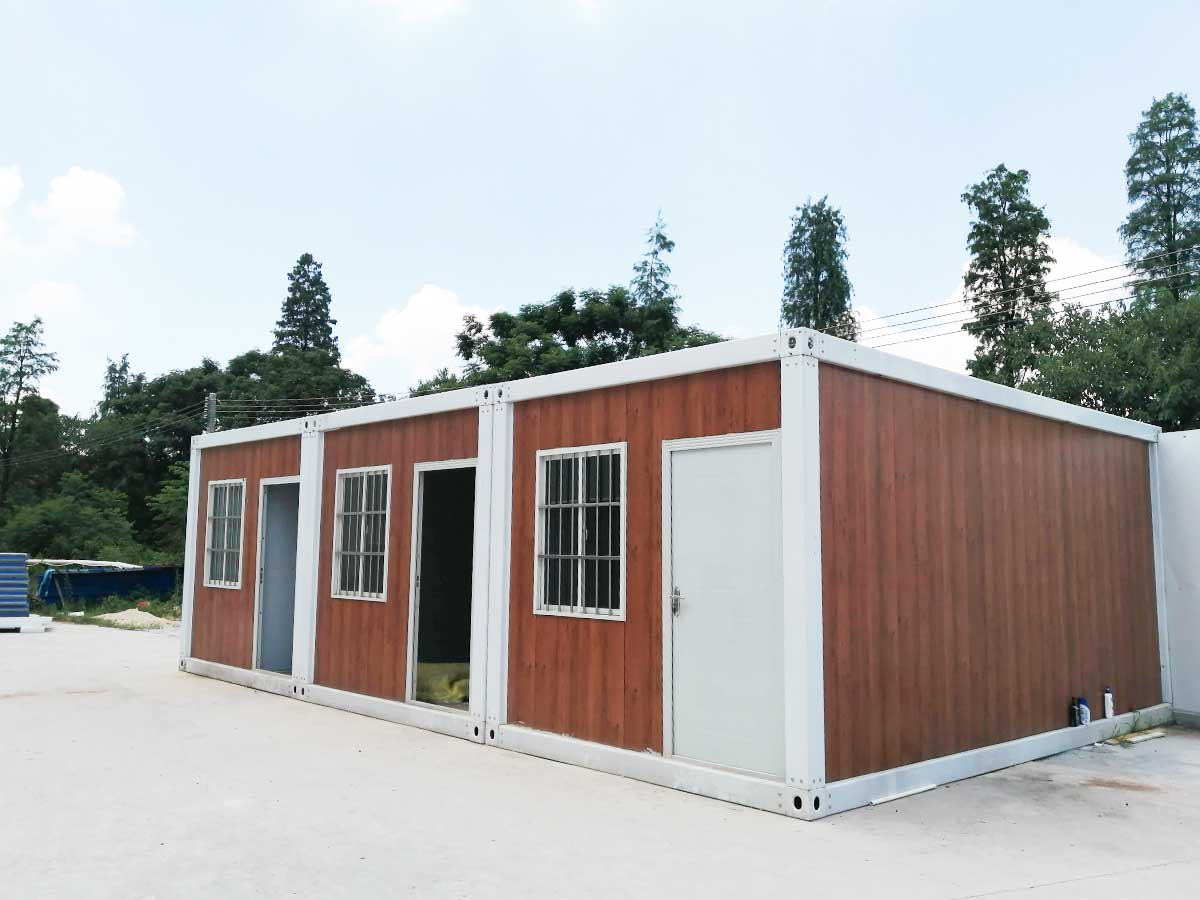
The Prospective Trajectory of Modular House:
1.Technological Advancements:
Continuous progress in construction technology will drive further innovation within the modular house domain.
2.Pioneering Concepts:
Architects and designers are perpetually pushing the envelope of modular house, exploring novel and imaginative concepts.
3.Effect on the Real Estate Landscape:
As modular house gains momentum, its ramifications on the real estate market will be a pivotal aspect to observe.
In Conclusion:
Swift, cost-effective, and stylish, modular house is reshaping the paradigm of construction and living. With a myriad of benefits encompassing cost-effectiveness, sustainability, design flexibility, and technological integration, modular homes are heralding a transformation within the house industry. Embracing modular living not only provides comfortable and contemporary abodes but also contributes to a greener and more sustainable future.
FAQs
1.Are modular homes more economical than traditionally constructed homes?
Indeed, modular homes tend to be more budget-friendly due to reduced labor expenses and material savings.
2.Can I personalize the design of a modular home?
Absolutely! Modular homes offer an extensive range of customization possibilities to align with individual preferences and requisites.
3.Do modular homes exhibit durability akin to traditionally built homes?
Absolutely, modular homes are meticulously designed and constructed to fulfill stringent quality and safety standards, ensuring long-lasting durability.
4.Do owners of modular homes enjoy tax benefits?
Yes, owners of modular properties may avail certain tax benefits contingent on local regulations and incentives.
5.How long does it take to erect a modular home?
The construction timeline for modular homes is typically a matter of weeks, owing tothe efficient pre-fabrication process.
Your message-英文2024-12-24
Name*
Country*
Email*
Telephone*
For Personal Use/ Project (Click to Choose)
- Project
- Personal
Your Message*
Verification code


