


Can mobile homes meet the expansion needs of enterprises?
1. Introduction
Definition of Mobile Homes
Mobile homes, also known as manufactured homes, are prefabricated structures that can be transported to different locations and used for various purposes. Originally designed as affordable residential housing, mobile homes have evolved into versatile spaces that can serve a wide range of commercial needs.
Overview of Enterprise Expansion Needs
As businesses grow, they often face the challenge of needing additional space for operations, whether for offices, retail outlets, or housing for employees. Traditional construction can be time-consuming and costly, leading enterprises to seek more flexible and efficient solutions.
Purpose of Discussing Mobile Homes in the Context of Business Expansion
This discussion explores the potential of mobile homes to meet the expansion needs of enterprises. By examining the benefits, challenges, and real-world applications, we aim to provide insights into whether container homes can be a viable option for businesses looking to scale quickly and efficiently.
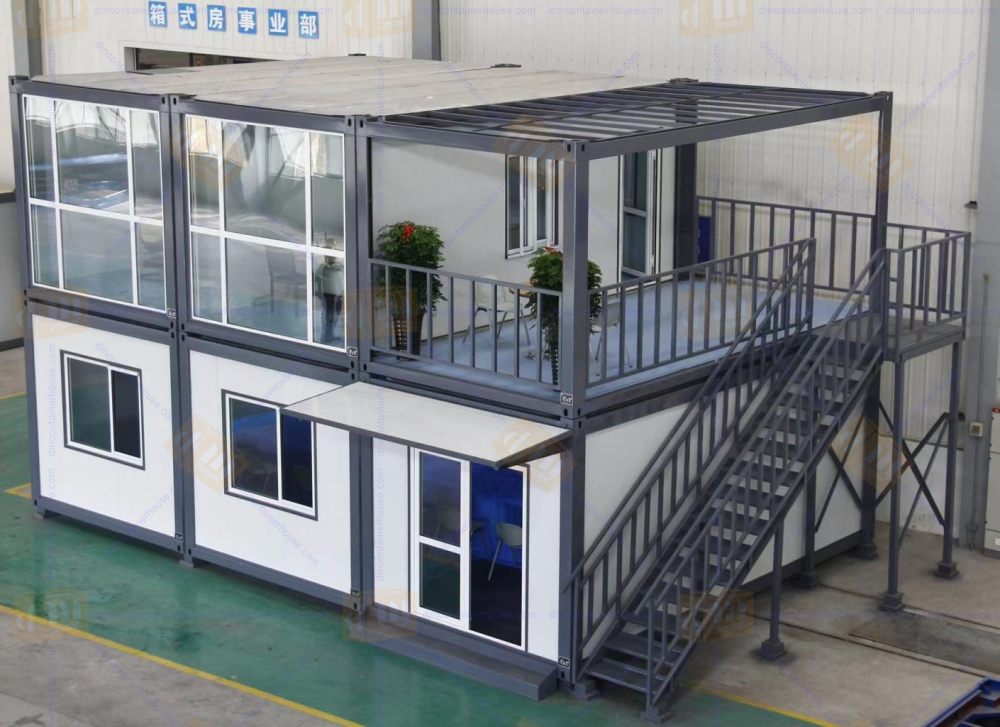
2. Types of Mobile Homes for Enterprises
Modular Mobile Offices
Modular mobile offices are prefabricated units that can be quickly deployed to provide additional workspace for businesses. These units can be customized to meet the specific needs of different departments, such as administration, customer service, or IT support.
Portable Workforce Housing
For industries that require a mobile workforce, such as construction or mining, portable housing units can be an effective solution. These units provide comfortable living conditions for employees, complete with amenities like kitchens, bathrooms, and sleeping quarters.
Mobile Retail Units and Pop-Up Shops
Mobile retail units are increasingly popular for businesses looking to test new markets or create temporary retail spaces. These units can be easily transported to different locations, making them ideal for pop-up shops, seasonal sales, or event-based retail.
Temporary Facilities for Industrial Use
In industries like manufacturing or logistics, mobile homes can serve as temporary facilities during expansion projects or as additional space during peak production periods. These units can be used for storage, workshops, or even temporary office space on-site.
3. Advantages of Using Mobile Homes for Business Expansion
Flexibility and Scalability
Mobile homes offer unparalleled flexibility for businesses. They can be easily expanded, reconfigured, or relocated as the needs of the enterprise evolve. This adaptability is particularly valuable in fast-growing industries where space requirements can change rapidly.
Cost-Effectiveness Compared to Traditional Construction
Building traditional brick-and-mortar facilities can be expensive and time-consuming. Mobile homes, on the other hand, are generally more affordable, both in terms of initial investment and ongoing maintenance. This makes them an attractive option for businesses looking to manage costs while expanding.
Speed of Deployment and Installation
One of the key advantages of mobile homes is the speed at which they can be deployed. Since they are prefabricated, they require less on-site construction time, allowing businesses to set up new facilities quickly and with minimal disruption to operations.
Mobility and Ease of Relocation
For businesses that need to relocate frequently or operate in multiple locations, portable homes provide a level of mobility that traditional buildings cannot. They can be transported from one site to another, making them ideal for companies with seasonal operations or those exploring new markets.
Sustainability and Reduced Environmental Impact
Mobile homes are often more sustainable than traditional buildings. They use fewer materials, generate less waste during construction, and can be equipped with energy-efficient features like solar panels. Additionally, their mobility reduces the need for permanent land use, which can minimize the environmental impact of business expansion.

4. Challenges and Limitations
Space Constraints and Design Limitations
While mobile homes are flexible, they come with inherent space constraints due to their prefabricated nature. This can limit design options and make it challenging to create large, open spaces. Businesses may need to carefully plan the layout and use of space to ensure that the mobile units meet their operational needs.
Regulatory and Zoning Challenges
Navigating the regulatory environment can be a significant hurdle for businesses looking to use mobile homes. Zoning laws and building codes vary by location and may restrict where and how mobile homes can be used for commercial purposes. Compliance with these regulations is essential to avoid legal issues.
Durability and Long-Term Use Concerns
While mobile homes are built to be durable, they may not have the same lifespan as traditional buildings. Exposure to the elements and frequent relocation can take a toll on the structure, leading to maintenance issues over time. Businesses must consider the long-term viability of mobile homes as part of their expansion strategy.
Perception and Branding Issues
There can be a perception that mobile homes are less professional or lower quality than traditional buildings, which may impact a company's brand image. This is particularly relevant for customer-facing businesses like retail or hospitality. To mitigate this, businesses may need to invest in high-quality finishes and branding to ensure that the mobile units align with their corporate image.
Potential Logistical and Maintenance Challenges
Managing the logistics of deploying and maintaining mobile homes can be complex, especially for businesses operating in multiple locations. Transportation, site preparation, and ongoing maintenance all require careful planning and coordination to ensure that the mobile units remain functional and meet business needs.
5. Industries That Can Benefit from Mobile Homes
Construction and Infrastructure
The construction industry is a natural fit for mobile homes, as they can provide on-site offices, workforce housing, and storage facilities. Their mobility and quick setup make them ideal for use on temporary job sites or in remote locations.
Retail and Hospitality
Mobile retail units and pop-up shops offer retailers the flexibility to test new markets and create temporary stores. In the hospitality industry, mobile units can serve as temporary lodging, food service facilities, or event spaces, providing a versatile solution for seasonal or location-based needs.
Event Management and Entertainment
Mobile homes are widely used in the event management and entertainment industries for purposes such as ticket booths, dressing rooms, and temporary offices. Their portability makes them ideal for events that take place in different locations, such as festivals, concerts, or trade shows.
Healthcare and Emergency Services
In healthcare, mobile units can be used as temporary clinics, vaccination sites, or testing centers, especially in response to emergencies or pandemics. Emergency services can also deploy mobile homes as command centers, shelters, or medical facilities during natural disasters or large-scale emergencies.
Education and Training
Mobile classrooms and training facilities can be quickly deployed to meet the needs of educational institutions or corporate training programs. These units provide flexible, on-demand space for teaching, workshops, or employee development in various locations.

6. Cost-Benefit Analysis
Initial Investment vs. Long-Term Savings
Mobile homes typically require a lower initial investment than traditional buildings, which can lead to significant cost savings. Additionally, the ability to relocate or repurpose mobile units can reduce the need for new construction, providing long-term financial benefits.
Comparison with Traditional Construction and Leasing Options
Compared to traditional construction, mobile homes offer a faster and more affordable solution for businesses that need to expand quickly. Leasing mobile units can also be a cost-effective alternative to renting or constructing new buildings, especially for short-term or seasonal needs.
Potential ROI for Different Types of Enterprises
The return on investment (ROI) for mobile homes varies depending on the type of enterprise and the specific use case. For industries with high mobility or temporary space requirements, mobile homes can provide a strong ROI by reducing operational costs and enabling rapid expansion.
7. Customization and Design Options
Tailoring Mobile Homes to Specific Business Needs
Mobile homes can be customized to meet the unique needs of different businesses. This includes designing interiors for specific functions, such as offices, retail spaces, or workshops, as well as incorporating branding elements to align with the company's image.
Integration with Existing Infrastructure
Mobile homes can be integrated with existing infrastructure, such as utilities, IT systems, and transportation networks. This ensures that the mobile units function seamlessly within the broader business operation.
Innovative Design Solutions to Maximize Space and Functionality
Innovative design solutions, such as modular layouts, multi-functional furniture, and efficient storage, can help maximize the space and functionality of mobile homes. These designs can make even small units highly effective for business use.
8. Regulatory and Legal Considerations
Navigating Building Codes and Regulations
Compliance with building codes and regulations is essential when using mobile homes for business purposes. This may involve obtaining permits, adhering to safety standards, and ensuring that the mobile units are appropriately anchored and connected to utilities.
Zoning Laws and Land Use Considerations
Zoning laws can affect where and how mobile homes can be used for commercial purposes. Businesses must research local zoning regulations to determine if mobile units are permitted on their desired sites and if any special approvals are required.
Ensuring Compliance with Health and Safety Standards
Health and safety standards must be maintained in mobile homes, particularly in industries like healthcare or food service.

Your message-英文2024-12-24
Name*
Country*
Email*
Telephone*
For Personal Use/ Project (Click to Choose)
- Project
- Personal
Your Message*
Verification code


