


5 things you should know about container home
Container homes have become more than just a trend; they represent a unique and innovative approach to modern living. As an affordable, eco-friendly, and versatile housing solution, these dwellings have gained popularity worldwide. In this article, we'll delve into the essentials you should know about container homes, from their cost-effectiveness to addressing common misconceptions.
I. Introduction
Definition of Container Homes
Container homes, as the name suggests, are residences constructed using shipping containers. Originally designed for transporting goods across oceans, these steel boxes have found a new purpose as sustainable living spaces.
Growing Popularity
What started as an unconventional housing idea has grown into a global phenomenon. The appeal of container houses lies in their affordability, environmental sustainability, and the unique architectural possibilities they offer.

II. Cost-Effective Living
Comparison with Traditional Homes
One of the primary attractions of container homes is their cost-effectiveness compared to traditional houses. The use of recycled shipping containers significantly reduces construction costs.
Financial Benefits
Container homes not only save money during the construction phase but also in terms of long-term maintenance. Their durable steel structure requires less upkeep than traditional building materials.
III. Environmental Sustainability
Use of Recycled Materials
Container homes contribute to sustainability by repurposing shipping containers that would otherwise end up in landfills. This eco-friendly approach aligns with the growing demand for green housing solutions.
Reduced Carbon Footprint
The construction of mobile homes often involves fewer materials and shorter build times, resulting in a reduced carbon footprint compared to conventional housing.
IV. Unique Architectural Designs
Flexibility in Design
Container homes offer unparalleled design flexibility. The modular nature of shipping containers allows for creative configurations, making each residence unique and personalized.
Creative Use of Space
Despite their compact size, container homes can maximize living space through innovative design concepts. Clever storage solutions and multi-functional areas are common features.
V. Construction Process
Speed and Efficiency
Container homes are known for their quick construction. The use of pre-existing structures streamlines the building process, making it an efficient choice for those looking to move in quickly.
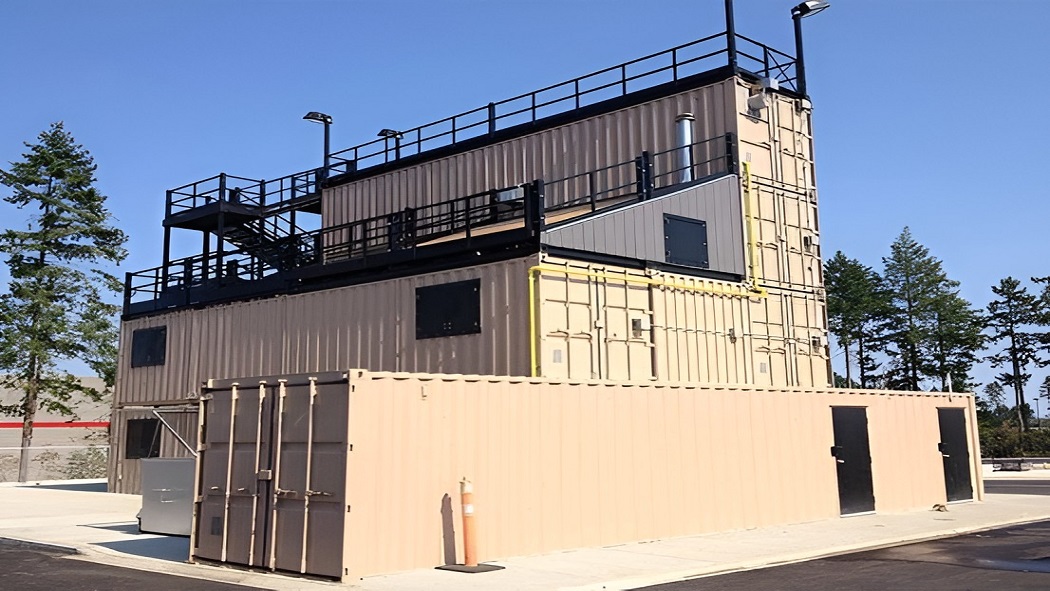
DIY Possibilities
For the more adventurous, container homes present exciting DIY opportunities. Some enthusiasts have successfully built their own container homes, showcasing the accessibility of this housing option.
VI. Challenges and Misconceptions
Addressing Common Concerns
While container homes offer numerous benefits, there are common concerns, such as insulation and ventilation. Addressing these challenges is crucial to ensuring the comfort of residents.
Debunking Myths
Dispelling misconceptions about container homes is essential. These dwellings can be as safe, comfortable, and aesthetically pleasing as traditional houses when designed and constructed properly.
VII. Maintenance Tips
Longevity of Container Homes
Proper maintenance is key to ensuring the longevity of container homes. Regular inspections, rust prevention, and timely repairs contribute to the durability of the structure.
Preventive Measures
Taking proactive measures, such as applying weather-resistant coatings and insulating the container, helps prevent potential issues and ensures a comfortable living environment.
VIII. Regulatory Considerations
Building Codes and Permits
Before embarking on a container home project, it's crucial to understand and comply with local building codes and permit requirements. Each region may have specific regulations for alternative housing.
Zoning Restrictions
Some areas may have zoning restrictions that impact the feasibility of prefab homes. Researching and understanding these restrictions beforehand can save time and resources.
IX. Container Home Communities
Emerging Trends
A fascinating trend in container living is the development of container home communities. These communities embrace the shared values of sustainability and community living.
Community Living Benefits
Container home communities promote a sense of camaraderie and shared responsibility. Residents often benefit from communal spaces, resources, and a supportive network.
X. Future of Container Homes
Innovations in Container Architecture
As technology advances, container homes continue to evolve. Innovations in container architecture, such as modular add-ons and smart home features, signal an exciting future for this housing trend.
Potential Growth
The increasing awareness of environmental issues and the desire for affordable housing suggest continued growth in the popularity of container homes. The potential for these structures to address housing shortages is a driving factor.

XI. Real-life Success Stories
Showcasing Unique Examples
Highlighting real-life success stories of individuals or communities living in container homes provides inspiration and demonstrates the viability of this alternative housing choice.
Positive Experiences
Sharing positive experiences, from the construction phase to daily living, helps dispel doubts and encourages more people to explore the possibilities of container homes.
XII. Factors to Consider Before Choosing Container Living
Personal Suitability
Container living may not be suitable for everyone. Considering lifestyle preferences, family size, and future plans is crucial before committing to this unique housing option.
Location Considerations
Climate, local regulations, and access to utilities are important factors to consider when choosing a location for a container home. Proper planning ensures a comfortable and sustainable living experience.
XIII. Transforming Challenges into Opportunities
Overcoming Design Limitations
While container homes offer design flexibility, there are inherent limitations. Creative solutions, such as adding green roofs or integrating traditional building materials, can overcome these challenges.
Maximizing Energy Efficiency
Implementing energy-efficient solutions, such as solar panels and energy-efficient appliances, can enhance the sustainability of container homes and reduce long-term energy costs.
XIV. Addressing Safety Concerns
Fire Safety Measures
Ensuring proper insulation and the use of fire-resistant materials address concerns related to fire safety. Following safety protocols during construction is crucial for a secure living environment.
Structural Stability
Container homes, when built to code and properly maintained, are structurally sound. Addressing concerns about stability involves working with experienced professionals and using quality materials.

XV. Conclusion
Summarizing the key aspects of container homes, it's clear that these unique dwellings offer a blend of affordability, sustainability, and creative design
possibilities. As the world seeks innovative solutions to housing challenges, container homes stand out as a viable and exciting option.
FAQs
1.Are container homes as durable as traditional houses?
Yes, when constructed properly, container homes can be as durable and even more sustainable than traditional houses.
2.What are the common challenges of living in a container home?
Challenges may include insulation concerns, ventilation issues, and addressing misconceptions about safety and comfort.
3.Can I build a container home myself?
Yes, some enthusiasts have successfully built their own container homes. However, it requires careful planning and construction knowledge.
4.How do container homes contribute to environmental sustainability?
Container homes use recycled materials, reducing the environmental impact of construction. They also have a smaller carbon footprint compared to traditional houses.
5.Are there regulations governing the construction of container homes?
Yes, it's essential to understand and comply with local building codes, permits, and zoning restrictions when planning a container home.
Your message-英文2024-12-24
Name*
Country*
Email*
Telephone*
For Personal Use/ Project (Click to Choose)
- Project
- Personal
Your Message*
Verification code


