


The surprising sturdiness of prefabricated homes
Introduction
Imagine a home that not only offers the comfort and style you desire but also boasts an unexpected quality – sturdiness. Prefabricated homes, once underestimated, are proving to be a resilient and durable choice for homeowners. In this article, we delve into the surprising sturdiness of prefabricated homes, exploring their history, benefits, materials, design innovations, and more.
History of Prefabricated Homes
Early Origins:
The concept of prefabricated homes has early origins, with notable examples dating back to the 1600s. However, it was during the 19th century that the idea gained traction. The Manning Portable Cottage, showcased in the Great Exhibition of 1851, is considered one of the earliest prefabricated houses.

Evolution Over the Years:
The idea of prefabricated construction evolved over the years, with significant developments in the 20th century. The post-World War II housing shortage prompted a surge in prefabricated home construction, and companies like Sears, Roebuck and Co. offered mail-order prefabricated homes. Today, prefabricated homes are a modern and innovative housing solution.
Benefits of Prefabricated Homes
Cost-Effectiveness:
Prefabricated homes are celebrated for their cost-effectiveness. The streamlined manufacturing process, reduced waste, and efficient construction contribute to lower overall costs compared to traditional building methods.
Time-Efficient Construction:
One of the most significant advantages of prefabricated homes is the speed of construction. The assembly of prefabricated components significantly reduces the construction timeline, allowing homeowners to move into their new homes much faster than with traditional builds.
Customization Options:
Contrary to common misconceptions, prefabricated homes offer a range of customization options. Homebuyers can choose from various designs, floor plans, and finishes, allowing them to personalize their homes according to their preferences. This flexibility challenges the perception that prefabricated homes lack individuality.
The history of prefabricated homes is a fascinating journey from early experiments to the present-day sophisticated and customizable housing solutions. The benefits of cost-effectiveness, time-efficient construction, and customization options make prefabricated homes a viable and attractive choice in the contemporary housing landscape.
Customization Options:
Contrary to common misconceptions, prefabricated homes offer a range of customization options. Homebuyers can choose from various designs, floor plans, and finishes, allowing them to personalize their homes according to their preferences.

Materials Used in Prefabricated Homes
Modern Materials Contributing to Sturdiness:
Prefabricated homes utilize modern materials that contribute to their sturdiness and structural integrity. These materials are selected for their durability and ability to withstand various environmental conditions.
Sustainability Aspects:
Many prefabricated homes incorporate sustainable materials, aligning with eco-friendly practices. From recycled materials to energy-efficient components, these homes often have a smaller environmental footprint compared to traditional construction.
Design Innovations in Prefabricated Homes
Architectural Advancements:
Prefabricated homes have witnessed significant architectural advancements. Innovative designs and cutting-edge architectural concepts are challenging the notion that prefabricated homes are generic or lack aesthetic appeal.
Integration of Smart Home Technologies:
The integration of smart home technologies is a notable trend in prefabricated homes. Homeowners can enjoy the convenience of automated systems for security, lighting, and climate control, enhancing the overall living experience.
Quality Control Measures
Stringent Manufacturing Processes:
Prefabricated homes undergo stringent manufacturing processes in controlled environments. This controlled setting ensures precision and consistency in construction, minimizing the margin for errors.
Standards Ensuring Durability:
Prefabricated homes adhere to industry standards that guarantee their durability. These standards cover various aspects of construction, from materials used to structural design, ensuring that prefabricated homes meet or exceed traditional building standards.

Perceptions and Misconceptions
Addressing Common Myths about Prefabricated Homes:
There are common misconceptions about prefabricated homes, such as concerns about quality and limited customization. This section aims to address these myths, providing accurate information to potential homebuyers.
Shifting Perspectives:
As innovations continue in the prefabricated housing industry, there's a gradual shift in perspectives. More people are recognizing the benefits of prefabricated homes, contributing to their increasing popularity in the housing market.
Environmental Impact
Comparing the environmental impact of prefabricated homes with traditional construction methods highlights their sustainability. From reduced waste to energy efficiency, prefabrication aligns with eco-conscious practices.
Challenges in Prefabricated Construction
Despite the growing acceptance, prefabricated construction faces challenges such as overcoming stereotypes and addressing industry-specific hurdles. Understanding these challenges is crucial for continued improvement in the sector.
The Role of Technology
The integration of robotics and automation in prefabrication processes is shaping the future of construction. Technological advancements are not only streamlining the building process but also enhancing the overall quality and sturdiness of prefabricated homes.
Surprising Sturdiness Factors
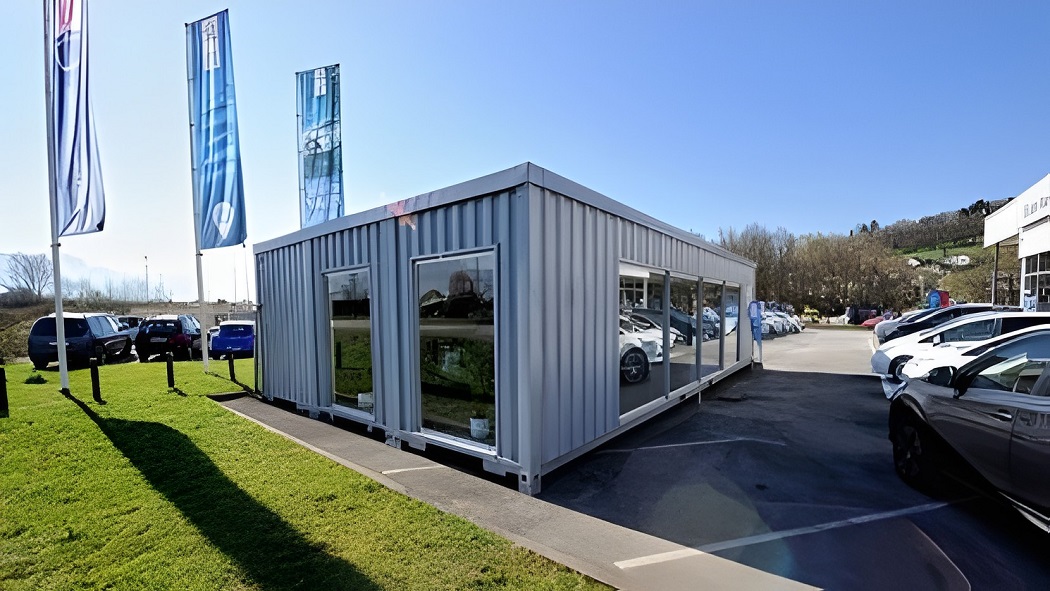
The sturdiness of prefabricated homes is not accidental but a result of meticulous engineering. From the foundation to the roof, every aspect is designed to withstand the test of time, showcasing resilience against natural disasters and unpredictable weather conditions.
Conclusion
In conclusion, the surprising sturdiness of prefabricated homes is no longer a secret. From historical roots to modern innovations, these homes have proven to be a reliable and durable housing option. As perceptions shift and technology continues to advance, prefabricated homes are likely to play an increasingly
prominent role in the future of construction.
FAQs
1.Are prefabricated homes as durable as traditionally-built homes?
Yes, modern prefabricated homes are designed and built to meet or exceed the durability of traditionally-built homes.
2.Do prefabricated homes require more maintenance?
No, prefabricated homes typically require the same amount of maintenance as traditional homes.
3.Can prefabricated homes withstand extreme weather conditions?
Yes, many prefabricated homes are engineered to withstand a variety of weather conditions, including hurricanes and earthquakes.
4.Are prefabricated homes eco-friendly?
Yes, prefabricated homes often have a smaller environmental footprint compared to traditional construction methods due to reduced waste and energy efficiency.
5.How long does it take to build a prefabricated home?
The construction time for a prefabricated home can vary, but it is generally faster than traditional construction methods. Factors such as design complexity and size influence the overall timeline.
Your message-英文2024-12-24
Name*
Country*
Email*
Telephone*
For Personal Use/ Project (Click to Choose)
- Project
- Personal
Your Message*
Verification code


